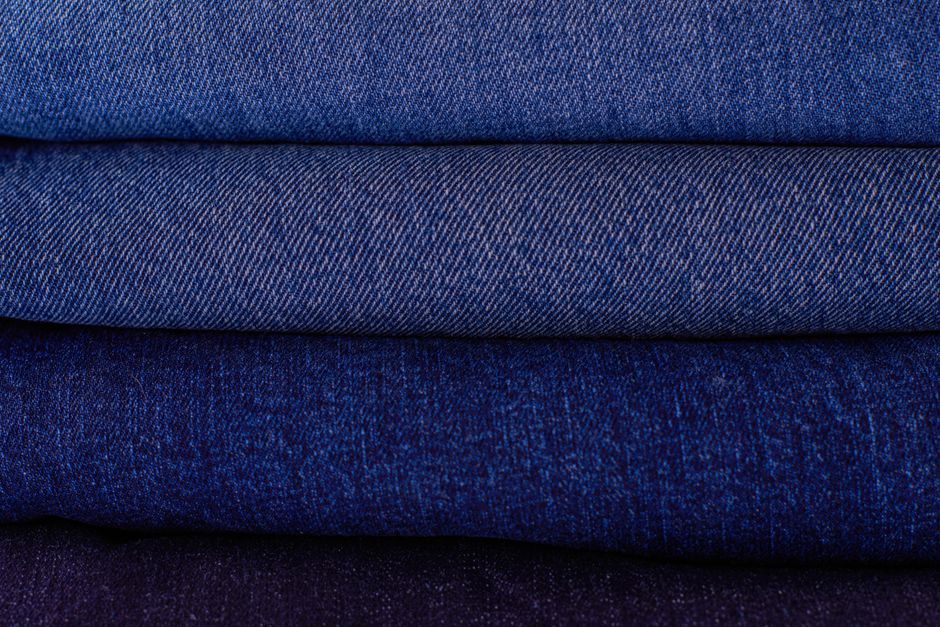
Dark jeans are supposed to fade. That is part of how indigo-dyed denim works. What most people want is a slower fade: fewer pale knees and streaky thighs after three hurried hot washes, and a pair that still looks deep at the seam after a season of real wear.
This is a care guide, not a laundry-lab test. All Fashion Cool has not run a controlled wash study for this article. The advice below follows how indigo and cotton denim actually behave, and how to read the care label you already have. If you are still choosing a pair, start with how to choose jeans by rise, leg shape, and fit and how to measure jeans. For the symbols on the tag, use how to read clothing care labels.
Why dark denim loses color so quickly
Traditional indigo does not fully saturate every cotton fiber the way a vat-dyed T-shirt often does. A large share of the color sits on the surface of the yarn. That is why raw and dry denim can crock onto bags, light sofas, and pale sneakers when they are new, and why the high-abrasion points — thighs, seat, cuffs, and the whisker zone behind the knee — go pale first.
Washing speeds that process up when three things happen together: mechanical abrasion in a drum, heat, and detergent that lifts loose dye. A dryer adds more heat and more rubbing. Chlorine bleach and many optical brighteners are especially hard on dark shades. None of this means you should never wash jeans. It means you should wash them less often than a cotton tee, more gently, and only when they need it.
Stretch denim, black sulphur-dyed jeans, and coated “waxed” or resin finishes do not all behave like raw indigo selvedge. Black pairs can bronze or go gray rather than showing classic indigo highs and lows. Coated pairs may lose their surface finish in a hot wash. Always start with the garment’s own care label. If the label says professional clean or cold gentle wash, that instruction outranks any generic denim ritual you have read about.
How often to wash — and when you actually should
Wear and air first. After a day, turn the jeans inside out, hang them so air can move through the legs, and give them time to dry if they picked up a little dampness. Many well-made dark pairs can go several wears between washes if they are not visibly soiled and do not smell.
Wash sooner when any of the following is true:
- There is a stain that will set — food oil, mud, or sunscreen on the thighs.
- The jeans smell, even after hanging overnight.
- You have worn them through heat and sweat, or on a long travel day.
- The care label tells you to wash before first wear, or the maker warns that the dye will transfer.
A first wash on raw or dry denim is a real decision. Washing early evens out shrinkage and reduces dye transfer onto other clothes and furniture. Waiting longer preserves a darker, more personal fade pattern, at the cost of more crocking while the pair is new. Neither choice is wrong; it depends on whether you care more about a uniform dark shade or about character. If the jeans are already rinsed or “washed” at the factory, you are not protecting a raw fade map in the same way. Still wash them inside out, cold, and only when they need it.
A wash routine that slows fading
- Empty the pockets and close the fly. Unzip or unbutton as the label prefers, but take the strain off the button and the coin pocket. Turn the jeans fully inside out so the face of the cloth is not rubbing the drum.
- Use cold water and a gentle cycle. Cold water is less aggressive on loose indigo. A shorter, gentler cycle means less abrasion. Wash dark denim with other dark, similar-weight items, or alone if the pair is still shedding dye. Do not toss them in with pale shirts or towels.
- Choose a mild detergent, and use less than you think. You need enough product to lift sweat and soil, not a heavy dose. Avoid chlorine bleach. Be cautious with detergents marketed as heavy brightening formulas if you are trying to keep a deep shade. A detergent labeled for darks is a reasonable choice; it is not magic, and it will not stop fade on its own.
- Skip the dryer when you can. Heat plus tumbling is a fast way to dull a dark pair and to shrink cotton. Reshape the waist and hems, then hang or lay the jeans to dry, still inside out, away from hard direct sun if you want to avoid uneven lightening. If you must use a dryer, use a low setting and a short time, then finish in the air.
- Spot-clean between washes. A damp cloth, a drop of mild detergent on a cuff or pocket bag, and patience will often remove a small mark without a full cycle.
| Habit | Why it helps | When to ignore it |
|---|---|---|
| Wash inside out, cold, gentle | Less friction and heat on the dyed face of the cloth | Follow a label that requires a warmer wash for hygiene or for a specific finish |
| Air-dry | Avoids extra heat and tumbling that fade and shrink cotton | A care label that forbids line-drying, or a heavy pair that will sag out of shape if hung wet from the waistband only — then lay flat |
| Wash less often | Most color loss is cumulative mechanical and detergent wear | Stains, odor, or a maker warning about dye transfer onto other surfaces |
| Keep them away from bleach and long hot soaks | Bleach and prolonged wetting can strip or streak surface dye | A specific stain treatment the care label allows; even then, test an inside seam first |
Myths that are not a care plan
Vinegar, salt, and “fixative” soaks are widely shared as ways to lock in indigo. Some wearers like them; they are not a substitute for cold, gentle washing, and they can interact badly with certain finishes or with metal hardware if you improvise a long soak. If a manufacturer publishes a first-wash method, use that. If they do not, a short cold wash inside out is the conservative default.
Freezing jeans does not reliably clean them. Cold can stiffen a pair overnight, but it is not a hygiene method and it will not reset odor the way a wash or a thorough airing can.
Dry-clean-only or “professional clean” labels should be taken seriously, especially on coated, embroidered, or heavily finished designer denim. A home wash can crack a coating that the maker never intended to go in a machine.
Shrinking, stretching, and the fit you already chose
Cotton denim can tighten after a warm wash and relax again as you wear it. If you spent time getting the rise and inseam right, do not surprise yourself with a hot cycle. Wash cold and air-dry, then try the jeans on before you decide they have “shrunk forever.” If a pair is snug when new, that may be the intended shrink-to-fit behavior — or it may simply be the wrong size. Measuring the waist, rise, and inseam before and after the first wash is more useful than guessing from the tagged size.
For everyday dark jeans you want to keep even and deep, treat fade as something you slow down, not something you can freeze in place. Sit, walk, and wash, and the pair will still change. The goal is a dark cloth that ages evenly, not a museum piece.
All Fashion Cool verdict
Wash dark denim only when it is dirty or starting to smell, inside out, in cold water, on a gentle cycle, with a mild detergent, and dry it in the air. That routine will not stop indigo from fading — nothing honest will — but it removes the usual accelerators: heat, abrasion, over-washing, and bleach. Read the care label first, and use our fit and measurement guides if the jeans feel different after that first careful wash.
FAQ
Should I wash dark jeans before wearing them the first time?
Wash first if the maker says the dye will transfer, or if you need a predictable shrink before you hem. Wait if you want a slower, more personal fade and you can live with some crocking on bags and light furniture.
Can I put dark jeans in the dryer on low?
You can, but air-drying is kinder to color and to shrink control. If you use a dryer, keep it short and low, then finish hanging.
Why did my black jeans turn rusty or gray?
Black denim is often dyed differently from indigo blue. Heat, abrasion, and leftover bleach in a machine can bronze or dull the shade. Wash black pairs separately from linty towels, skip bleach, and avoid high heat.